Skip to Content
Need Help? Call us on 0208 385 3440

Stories | Ridgeback
Why fit matters for confidence
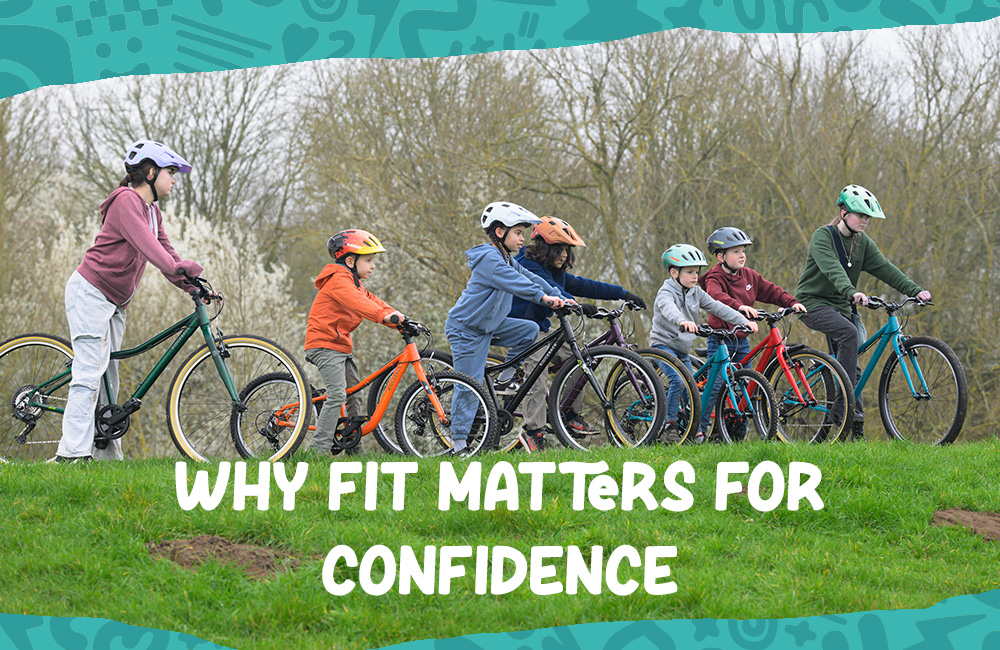
At Ridgeback, we strongly believe that bike fit is the most important aspect of a kids’ bike. This is why we have a large range of bike and wheel sizes and why we always recommend visiting your local bike shop to make sure that you’re getting the best fitting bike for your child as possible.
If you don’t think that bike fit is important, just try this experiment. If you’re reading this on a phone, just hold it at arm’s length and continue reading (or push your laptop to the far side of the dining table). Yes, it’s still possible to read, but it’s not easy, is it? And if your phone is at arm’s length, it gets tiring pretty quick, doesn’t it? Now imagine that you’re a beginner rider and that’s how far away the handlebars are.
Why does bike fit matter for children?
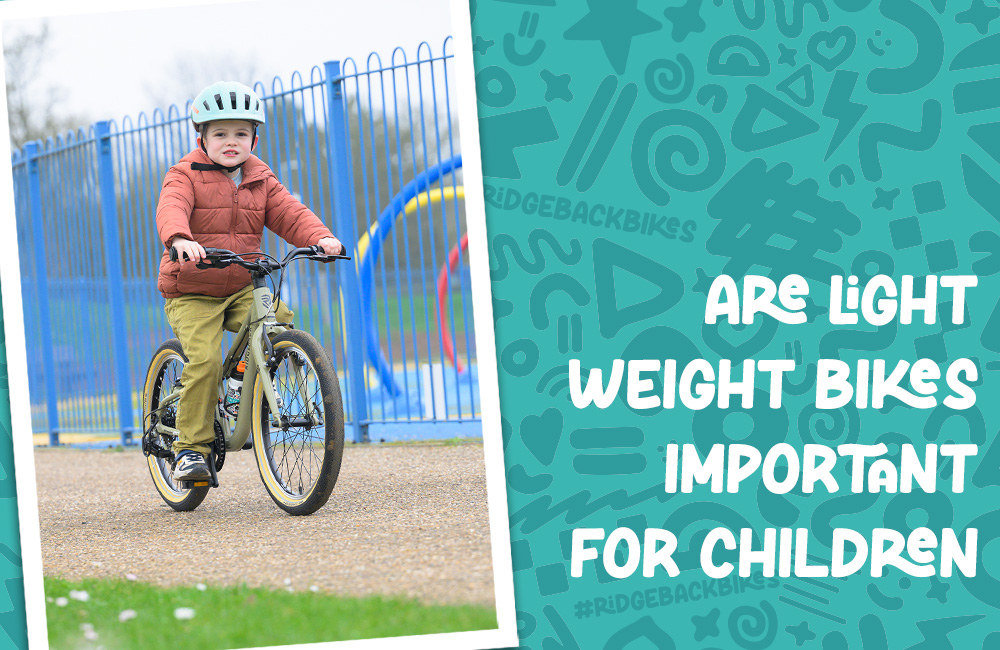
A lightweight kids bike is a bicycle designed to reduce overall weight so children can pedal, steer and control the bike more easily. Most quality lightweight children's bikes use aluminium frames, lighter wheels and child-specific components to improve handling and confidence.
As a general rule, a kids bike should weigh significantly less than the child riding it. Heavy bikes can make cycling tiring, harder to balance and less enjoyable for young riders.
Why the correct kids bike size matters
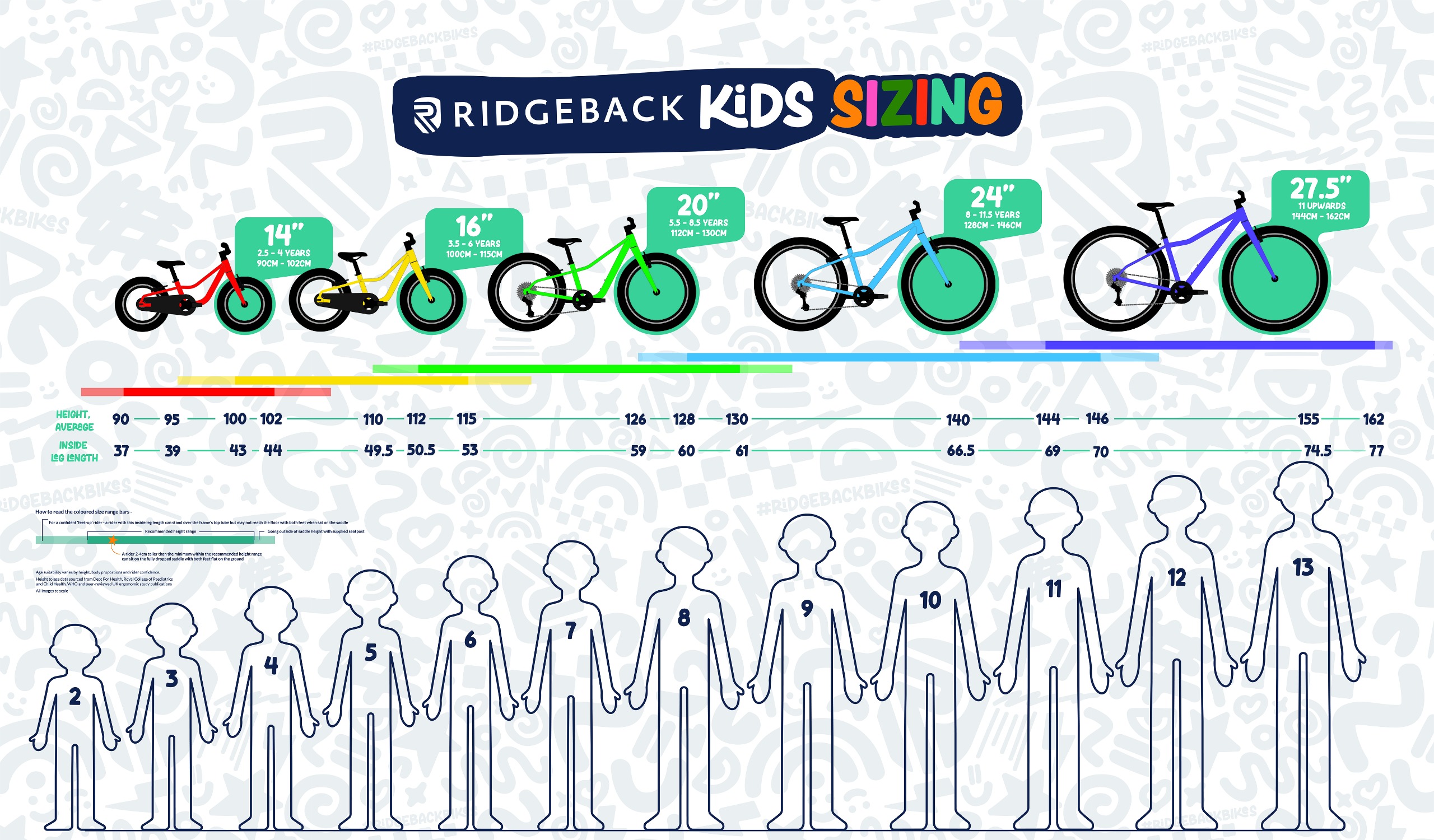
We put a great deal of effort, and scientific research-influenced data into sizing every Ridgeback bike, from big to small. You’ll know well that children aren’t just scaled-down adults, and those proportions of arm and leg length to torsos change throughout their childhood. Each different bike size in the Ridgeback line is built for that particular range of ages and body sizes.
Our designers look at everything: handlebar width, saddle height and pedal crank length in order to make sure that the biomechanics of everything works well together. Even something as simple as a handlebar grip gets special attention, as it’s a part of the bike that your child is always in contact with. We use specially slimmed down handlebars and smaller, soft rubber grips for smaller hands to grip with confidence. The brake levers are built to be already close to the bars, so it’s not a massive reach for your young’un to get to when they need to.
Can’t they just grow into it?
Imagine trying to drive your car with the seat fully back. Yes, you can probably just about reach the steering wheel and if you stretch, you can reach the brakes too, but then you’ll have stopped thinking about steering because it was so complicated. We believe that every child needs a bike where they can comfortably reach the ground (with both feet flat if they’re a beginner rider, tiptoes if they’re more advanced) while also being able to hold the handlebars comfortably. Brake levers should fall easily under their fingers and should be easy to pull and modulate, without being an on/off switch.
Why do they need exactly the right size?
The most important thing when choosing a kid’s bike is that it should fit your child well, regardless of weight. A well-fitting kid’s bike is easier to control than one that’s too tall or unstable. A lighter bike is easier still. Your kid has enough to think about, without worrying about having to muscle a heavy machine around.
Lighter bikes and components do usually cost more, but the trade-off (or trade-up) is that a lighter bike is easier and more fun to ride. The more fun it is, the more often it’ll get ridden, so your cost per ride and cost per smile gets cheaper every ride.
Now go and push your sofa round the living room and see if you’ve changed your mind about light weight bikes...
The Ridgeback Promise
Signs a kids bike is too big
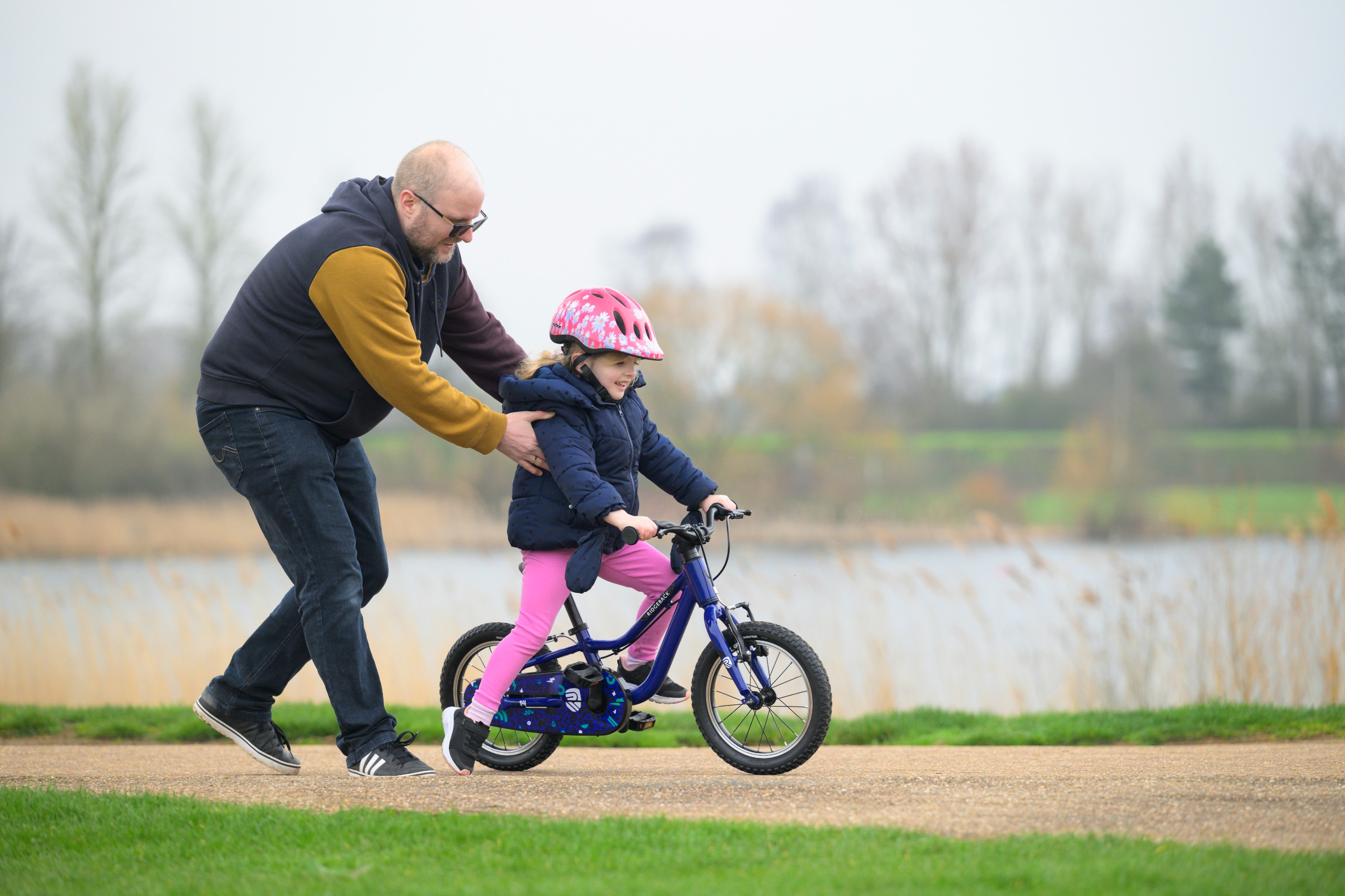
A children's bike may be too large if your child:
• Struggles to start pedaling
• Cannot comfortably touch the ground
• Cannot comfortably reach the handlebars
• Finds braking difficult
• Avoids riding
• Lacks confidence
• Appears unstable when stopping.
A properly fitting kids bike should help children feel balanced, comfortable and in control.
Key takeaways
• Correct bike fit is essential for confidence
• A lightweight bike is easier for children to control
• Children should feel stable and comfortable when stopping
• Oversized bikes can reduce confidence and enjoyment
• Child-specific geometry helps improve handling and safety
Frequently asked questions about kids’ bike sizes
How do I choose the right size bike for my child?
With the saddle down, they should be able to put both feet on the floor. If they’re new to riding, or a nervous rider, their feet should be flat on the ground. As they grown in size and confidence, you can slowly raise the saddle, but they should still be able to get a foot down when they stop. The handlebars should be easy for them to reach and hold, without over-stretching. The brake lever or levers should fall easily under their fingers, so they can brake easily.Can my local bike shop help me?
Yes. Your local bike shop has all of the expertise to perfectly fit a bike for your child. That’s why Ridgeback deals with thousands of local bike shops, just like yours. Their sales team and mechanics will be able to offer you a selection of bikes to try for size, so you (and your kid) can be confident that you’re getting them the best possible bike. And they’ll be there again when it’s time to upgrade.How long until my child needs the next size up? Do I need to buy a new bike every year?
No, that shouldn’t be necessary. Ridgeback bikes are easy to adjust and you can raise the saddle quickly using a simple tool to keep up with a child’s growing limbs, until it’s obvious that they need the next size up. The need for a bigger bike usually comes at the same time they start being more interested in pedaling, or in shifting gears and so it’s a natural progression up through the bike sizes. On average, a bike should last 2-3 years before they need the next size up.Won’t this cost me a fortune?
Not nearly as much as you think. A good kid’s bike keeps its resale value well, and there will always be other parents looking for new bikes for their little ones. And we feel that the price of a new, well-fitting bike every few years is worth it for the lifetime of pleasure, fitness and wellbeing that cycling will bring your child. The cost of a new bike will pay itself back with their fizzing energy, sense of achievement and smiles a lot quicker than a games console ever will.How do I know if my child’s bike is too big?
A bike may be too large if your child struggles to touch the ground, brake comfortably or control the bike confidently.
Does bike size affect confidence?
Yes. A correctly fitting bike is usually easier to balance, steer and stop safely, helping children feel more confident.
Should kids be able to touch the floor on a bike?
For most beginner riders, being able to comfortably touch the ground helps improve stability and confidence.
We Recommend
-

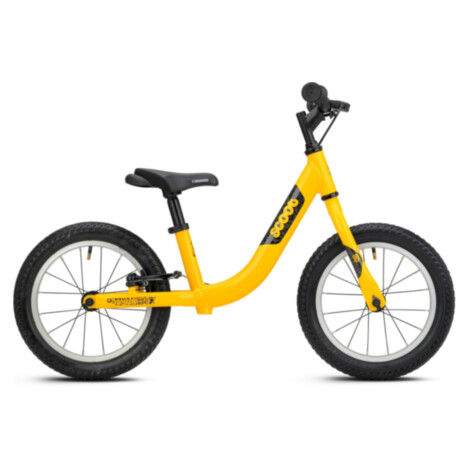 Ridgeback Scoot XL£149.99
 -
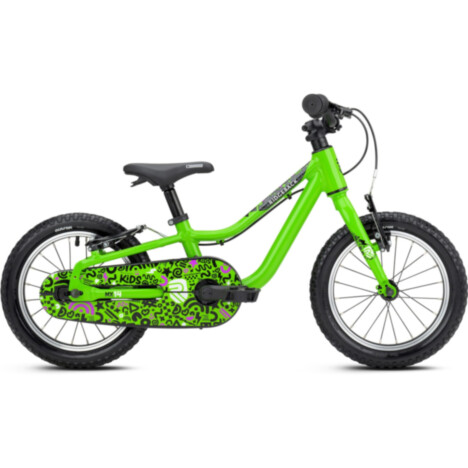 Ridgeback MX14£229.99
 -
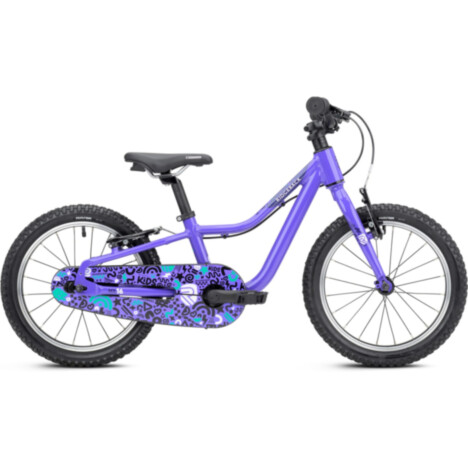 Ridgeback MX16£249.99
 -
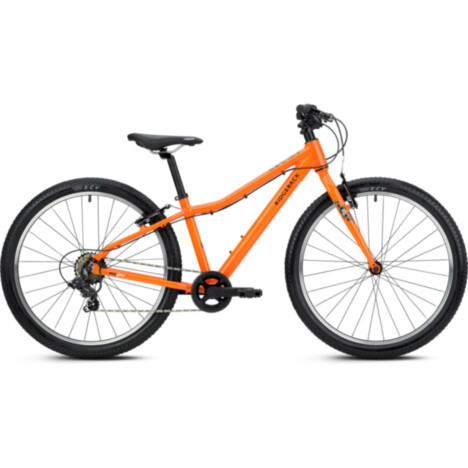 Ridgeback MX24£319.99
 -
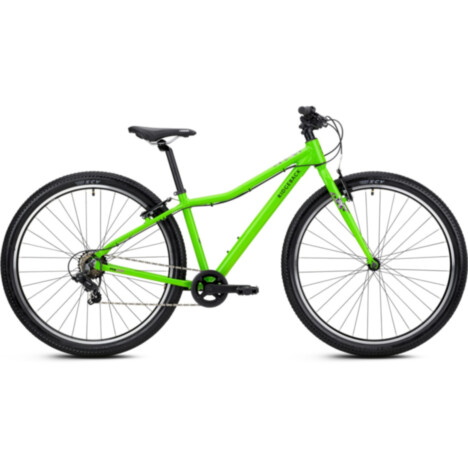 Ridgeback MX27.5£349.99