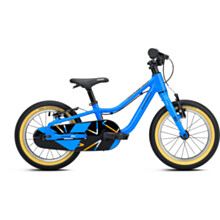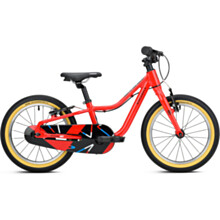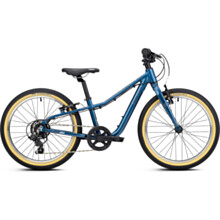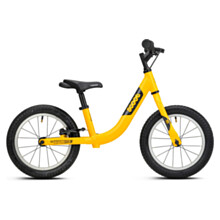
Ridgeback Scoot XL
£149.99
Need Help? Call us on 0208 385 3440
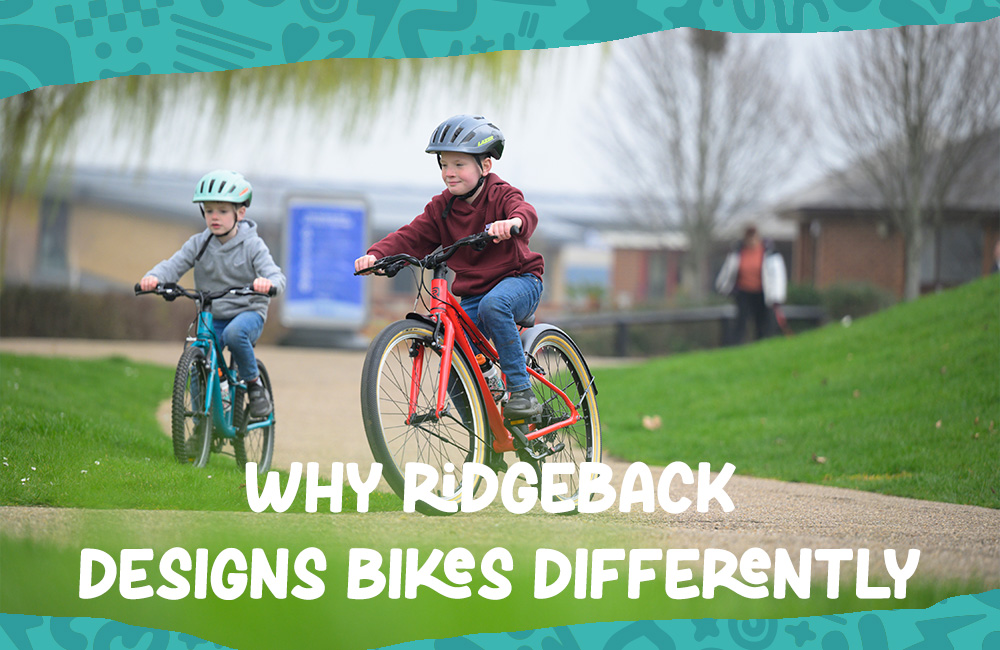
This is a very common question from parents looking for a new bike. A cheaper bike might look the same, but weigh a lot more than a quality kid’s bike, so parents often choose the cheaper option, but this can be a false economy if your little one never wants to ride it.
A heavy child’s bike can be very hard to pedal, to brake and to control, as it’s such a big proportion of their body weight. (Just imagine if you had to ride a bike that weighed 40 or 50kg – it would be like trying to push your sofa around the park.)
At Ridgeback, we’re parents of little cyclists too, as well as bike design experts. We’ve put together a few guides to help guide you through this maze so that you can end up with the right bike for your child, for your budget and for a future of great cycling adventures together with them.
Firstly, we wanted to go over what we feel makes a Ridgeback kids’ bike special and different, as we feel we make the best kids’ bikes in the UK.
Bike fit is the most important aspect for a child’s bike. Too tall or too long can make it unstable and scary to ride. Too short and too small and your child will find it equally hard to ride and they will soon grow out of it. A bike that fits well inspires confidence and is more likely to be ridden often.
As you’ll well know, children aren’t simply small adults, and you can’t just assume they’ll fit on a particular-size bike. Their proportions change a lot as they grow and we have a well-fitting bike ready for every stage of their childhood.
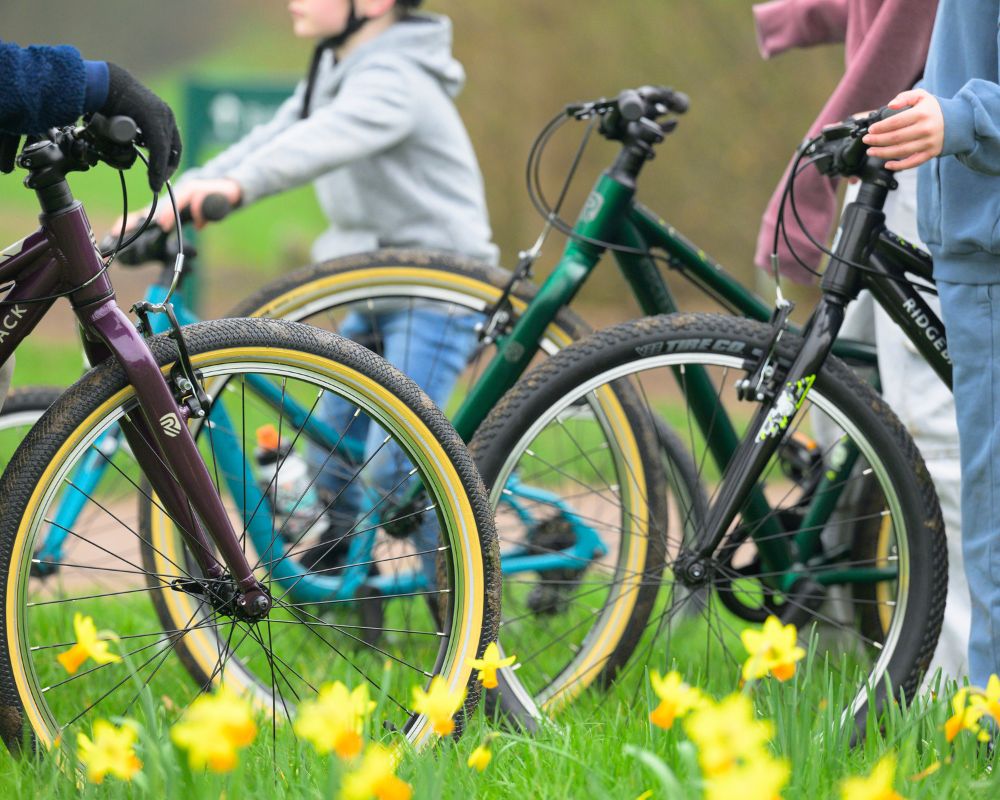
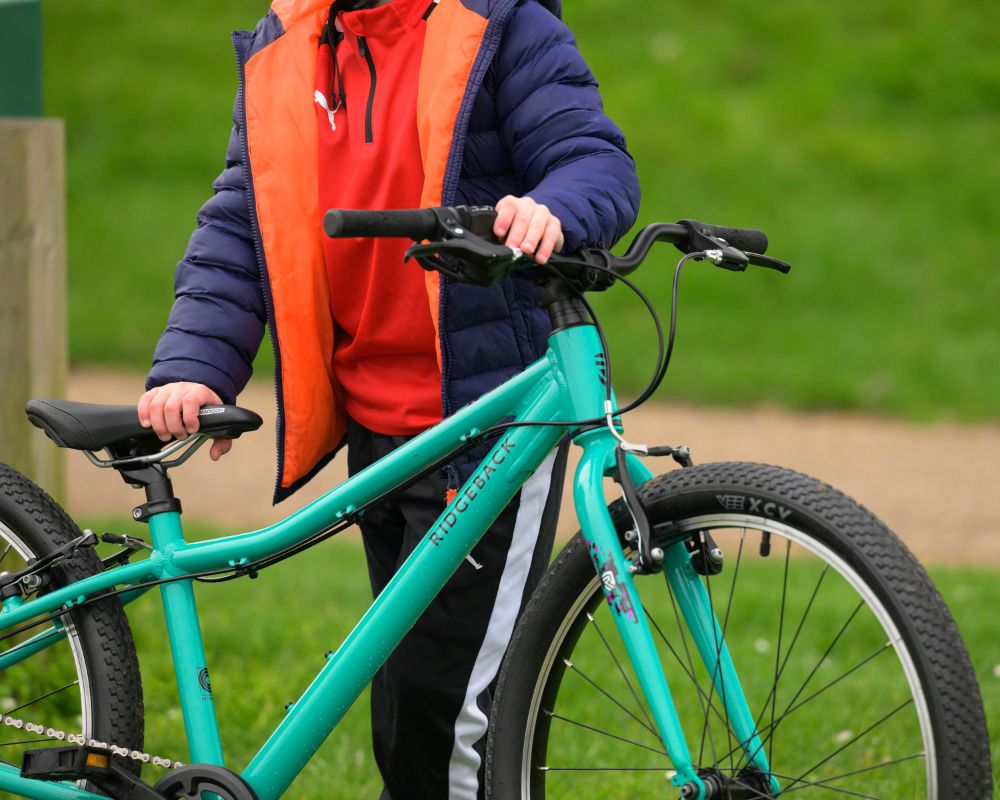
At Ridgeback, we never use grown-up bike components on our children’s bikes. Adult handlebars and brake levers simple don’t fit smaller hands. We’ve designed those ‘touch points’ of grips, levers, handlebars and saddles to be in proportion. Our pedal cranks are shorter than our competitors, because our research data shows that shorter cranks allow better contact with the ground when stopping and starting off, which again means more confidence. We like to focus on the little things.
We also ensure our bikes have narrower handlebars for better control, smaller brake levers for little hands and lower overall weight for improved confidence.
"Children ride differently from adults. That's why every element from crank length to handlebar width, is designed around how children actually move."
“We analysed children's proportions at different growth stages to create bikes that fit properly and inspire confidence. Saddle height, frame geometry, crank length and handlebar positioning all play a role in helping children feel stable and in control.”
This child-specific approach helps create bikes that are easier to ride, safer to handle and more enjoyable for young riders.
Choosing the right kids bike is about more than just weight — but a lightweight, properly fitting bike can make cycling dramatically easier and more enjoyable for children.
When children feel confident and in control, they ride more often, improve faster and enjoy cycling more. That’s why Ridgeback kids bikes are designed around child-specific fit, balanced handling and lightweight durability.
Ridgeback kids' bikes use lightweight aluminium frames and carefully selected child-specific components to reduce unnecessary weight. A lighter bike is easier for children to balance, pedal, steer and stop, helping them build confidence and enjoy riding for longer. Rather than simply scaling down adult bikes, every Ridgeback kids' bike is designed around the needs of young riders.
Bike geometry affects how stable, comfortable and easy a bike is to ride. Children's proportions are different from adults', so factors such as frame shape, handlebar position, crank length and wheelbase all need to be designed specifically for younger riders. Child-specific geometry helps children feel balanced and in control from their very first ride.
Yes. Smaller brake levers, narrower handlebars, shorter cranks and appropriately sized saddles all make a bike easier for children to control. These components improve comfort, reduce fatigue and help young riders develop confidence more quickly than bikes built with scaled-down adult parts.
A good kids' bike should fit the child properly, be lightweight, easy to control and built with child-specific geometry. The best bikes prioritise confidence and comfort over unnecessary features, allowing children to develop their riding skills naturally while enjoying every ride.
Ridgeback kids' bikes are designed specifically around children's proportions rather than simply being smaller versions of adult bikes. Lightweight frames, carefully matched components and child-specific geometry work together to create bikes that are easier to balance, steer and pedal, helping children ride with greater confidence from day one.
Many parents are tempted to buy a larger bike so their child can "grow into it", but a bike that's too big can be difficult to control and may reduce confidence. Choosing the correct size helps children reach the handlebars comfortably, use the brakes effectively and enjoy riding safely. A well-fitting bike is far more likely to encourage regular riding.
When choosing a child's first bike, focus on the correct fit, low overall weight and child-specific design. A bike should feel comfortable to control, allow your child to reach the handlebars and brakes easily, and encourage confidence from the very first ride. Choosing the right size and design is usually more important than adding extra features or buying a bike for them to grow into.