Skip to Content
Need Help? Call us on 0208 385 3440

Stories | Ridgeback
What size bike does my child need
The best kids' bike size depends on your child's height, confidence and riding experience rather than age alone. Wheel size is the simplest way to choose the right bike, but it's always worth checking that your child can comfortably reach the handlebars and place their feet securely on the ground.
How do I choose the right size kids’ bike?
Choosing the right kids’ bike can initially be quite daunting, as there is so much information out there, so many different brand, sizes and styles of bikes, so where do you start? With wheel size, that’s where.
James Olsen, who helped develop the Ridgeback kids range, explains: "Correct fit gives children confidence. A bike that feels manageable is far more enjoyable to ride than one they're expected to grow into."
Wheel size is the best way to measure kids’ bikes
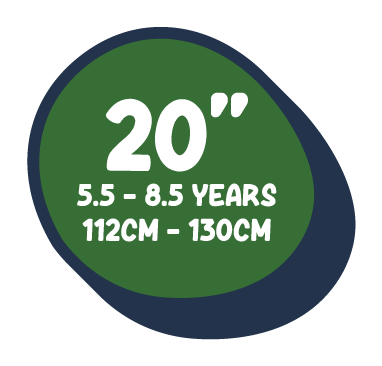
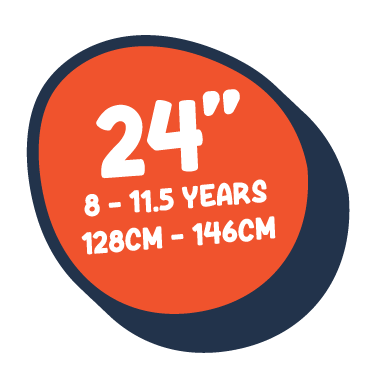
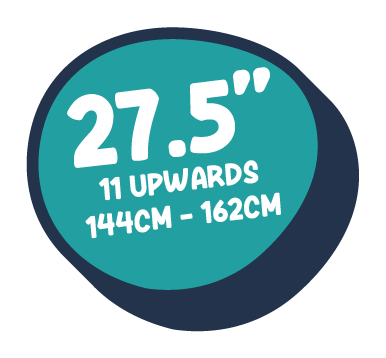
At Ridgeback, we like to simplify things by talking about wheel size, as that is the most obvious difference that defines different size kids’ bikes. As your child grows, they’ll need a bigger size bike – and those sizes tend to go up in steps with the size of the wheels that the bike has, starting with 12 inch wheels on the Scoot and going up to 27.5 inch wheels on Ridgeback’s biggest kids’ bikes such as the Dimension 27 and MX27 (as well as small adult bikes).
Then, within those wheel size bands, you’ll find bikes of different designs, with different styles, costs and purposes. A bigger wheel size bike will also have upgrades, like wider handlebars, a taller saddle and longer cranks for better pedaling efficiency. As bikes get bigger, you’ll start to see other things like gears offered; two brakes, rather than one. Some models may even have suspension on them.
Does a kids’ bike need suspension?
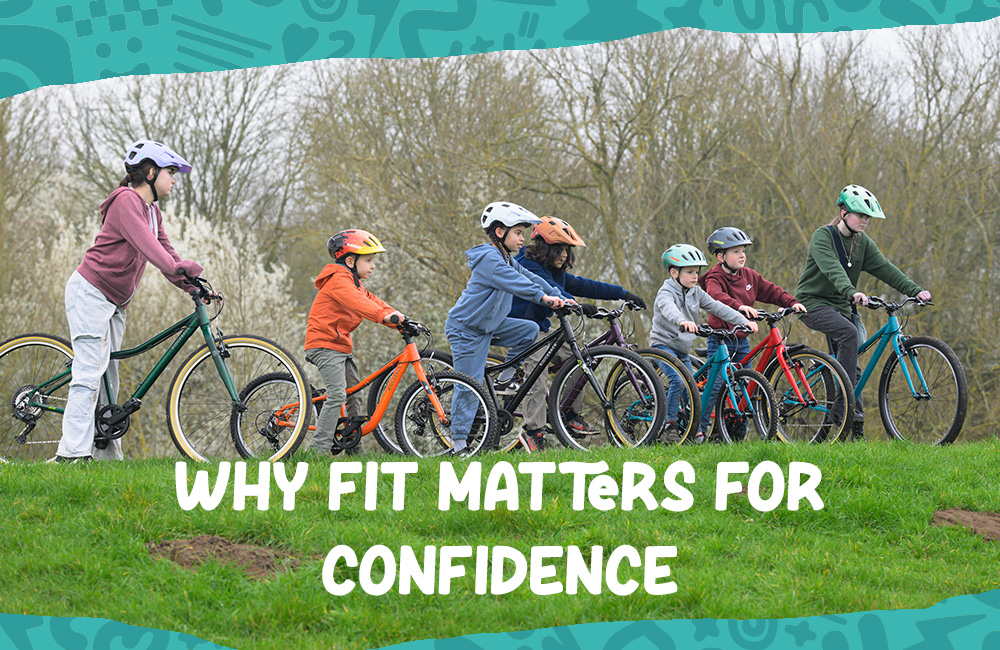
If your child knows that they can easily put a foot down when things are uncertain, they’ll be way more likely to launch off down the path in the first place. A bike that’s low enough for them to get those feet on the floor, preferably both and preferably flat will hugely help with that confidence. Equally, the handlebars need to be close enough to them so that it’s not a huge stretch. Just imagine how hard it would be to drive a car if your seat was always as far back as it would go, it’s the same for your child: the handlebars need to be close enough to them when they’re in the saddle that they can steer and brake without having to stretch and strain to get to them.
Budget vs fit
You’re looking for the best value bike you can get for your child; one with all the right features and build quality. However, regardless of that, the first thing you should make sure is that you’re getting the right size bike. A bike that’s too big will be unstable and hard to control. A bike that’s too small might be hard to pedal, and your child will soon grow out of it. A good bike shop can help advise you on the right size bike for your child, and that’s the best place to start before you start to look at the different styles of bikes.
We only sell our bicycles through local bike shops as that is where the experts are that can really help you. Find your nearest Ridgeback stockiest here.
Can I just choose a bike based on my child’s age?
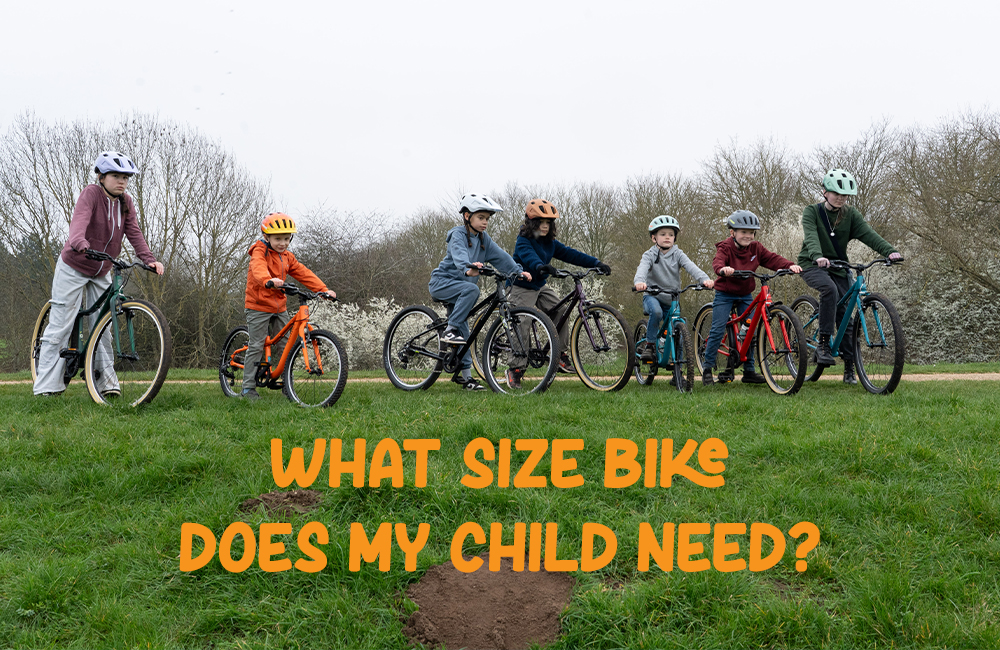
No, not really. Age is only a rough guide. Two children of the same age can differ significantly in height, confidence and riding ability. Always prioritise fit over age. Children vary a lot in size, so it can be hard to pick a bike for them purely going by age. Ideally, you want to see them sit on the bike and make sure that they can safely and comfortably reach the ground and the handlebars. Regardless of the size of the bike and the wheels, that is usually the best bike for them.
A bike is usually the right size if your child:
• Can comfortably reach the handlebars
• Can place both feet on the ground when stationary (particularly beginners)
• Can operate the brakes confidently
• Doesn't look overstretched
• Feels confident getting on and off
As mentioned previously, the best way to be sure is to head to your local bike shop, try a bike for size and get advice from the experts.
What Size Bike Should I Choose?
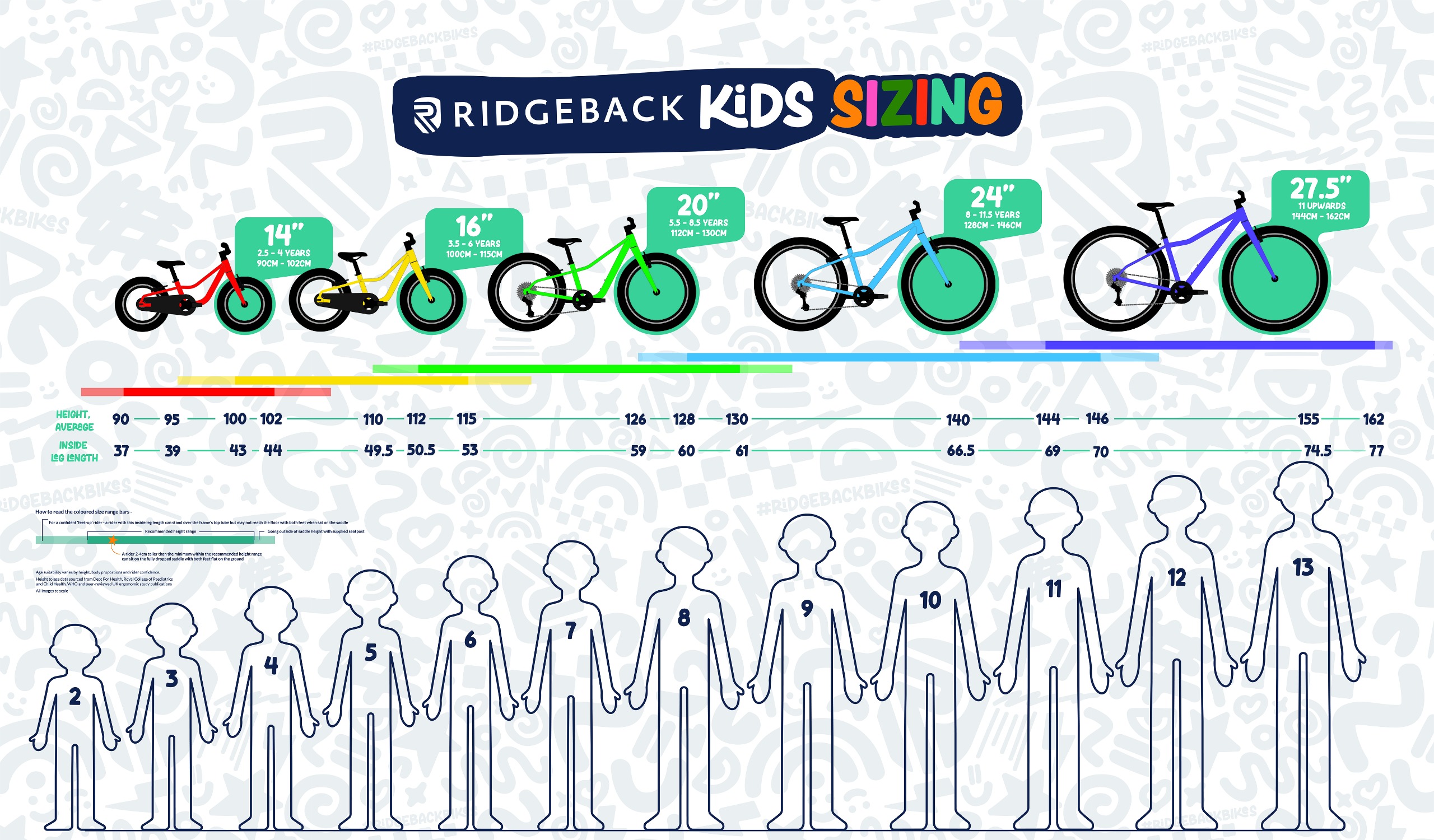
The best bike size depends primarily on your child’s height and confidence level, not just their age.
As a general guide:
• Balance bikes (12in wheels). These are suitable from around 2 years old. Ideal for introducing balance and steering before pedals.
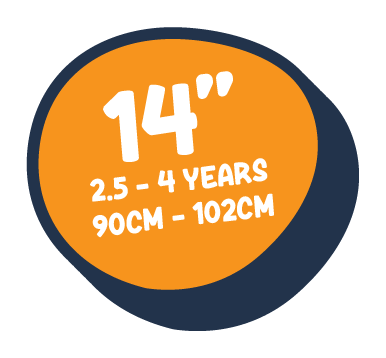
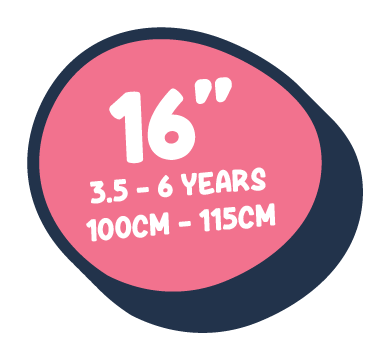
• 14inch–16inch wheeled bikes – These bikes are ideal for first pedal bikes. Great for first-time pedal riders building confidence.
• 20inch–24inch wheeled bikes – These bikes are great for developing riders. Suitable for longer rides, gears and more varied terrain.
• 26in–27.5in wheeled bikes – These are the best bikes for older children and pre-teens. Designed for older children riding longer distances or more technical trails.
Key takeaways
• Correct bike fit is essential for confidence
• A lightweight bike is easier for children to control
• Children should feel stable and comfortable when stopping
• Oversized bikes can reduce confidence and enjoyment
• Child-specific geometry helps improve handling and safety
Frequently asked questions
What size bike does a 5-year-old need?
Most 5-year-olds ride a 16-inch or 20-inch bike, but the correct size depends on their height and confidence.
Can my child ride a bike that's slightly too big?
Generally, it's better to choose a bike that fits now. Oversized bikes can feel difficult to control and may reduce confidence.
Should children be able to touch the ground?
For beginner riders, being able to place their feet comfortably on the ground helps improve confidence and stability.
Is wheel size more important than age?
Yes. Wheel size should be matched to the child's height and bike fit, while age is only a rough guide.
We Recommend
-

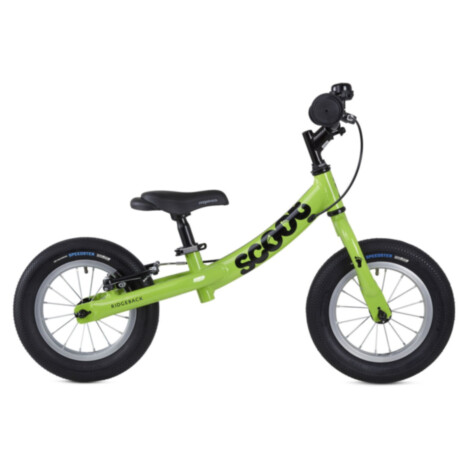 Ridgeback Scoot£149.99
 -
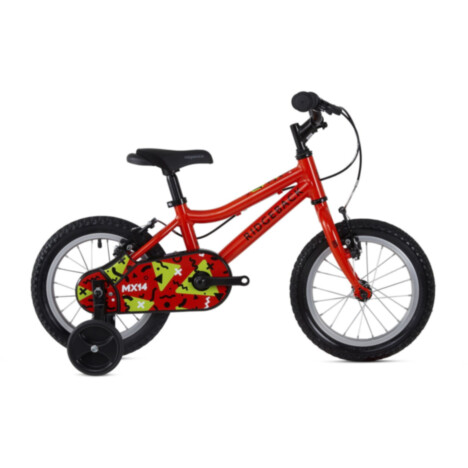 Ridgeback MX14£199.99
 -
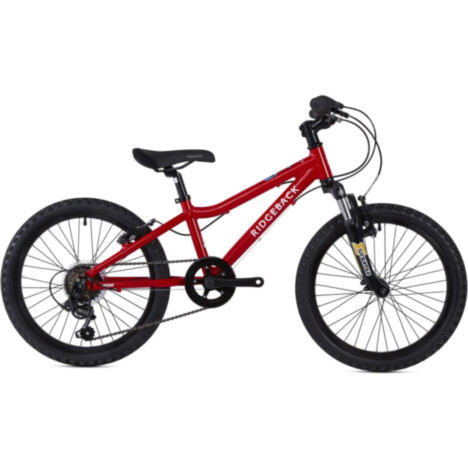 Ridgeback MX20£349.99
 -
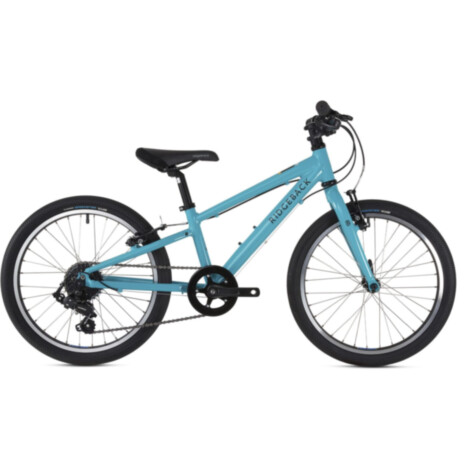 Ridgeback Dimension 20£419.99
 -
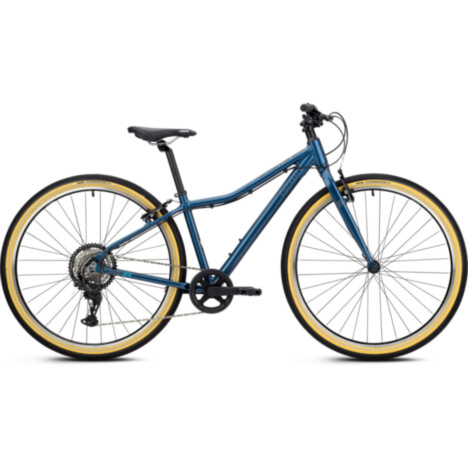 Ridgeback Dimension 27.5£429.99